Request Information

CAPTCHA
This question is for testing whether you are a human visitor and to prevent automated spam submissions.
10 + 0 =
Solve this simple math problem and enter the result. E.g. for 1+3, enter 4.

Knee


ANTERIOR CRUCIATE LIGAMENT TEARS

Anatomy

The anterior cruciate ligament is a thick band of tissue which has two major strands that extend from the lower leg bone (tibia) to the thigh bone (femur). This ligament is very important for maintaining stability of the knee. When it is injured or torn the patient feels the instability of the knee when they turn or pivot. This instability is particularly problematic when participating in pivoting sports such as soccer and football. The ligament sits just in front of its counterpart, the posterior cruciate ligament, directly in the middle of the knee joint.

Mechanism of Injury

Most anterior cruciate ligament tears occur during a sporting activity and usually in younger patients. When you consider the number of sport hours played, they are more common in women. There have been a variety of reasons proposed for this, such as muscle imbalance and slight variations in the anatomy of the knee joint in women compared to men. The most common sports are football and basketball in younger patients; skiing injuries predominate in older patients. It is, however, possible to injure the anterior cruciate doing a variety of activities. We've seen bilateral ACL tears in a weight lifter who was doing an incline bench and popped both his knees at the same time when bench-pressing 350 pounds. It can also be a work-related injury. Interestingly, most people would expect that it is due to contact, but this is not true. Mostly it is a non-contact deceleration where the athlete suddenly turns to the opposite side of the planted and injured knee. As the patient turns and pivots the ligament tears. In basketball it is usually a result of a hyperextension and internal rotation of the tibia on the femur, associated with deceleration.

Usually the patient will feel a sudden pop in their knee immediately in injury to the knee. Surprisingly, sometimes the knee will not get very swollen, although it certainly can. The injury is often missed because the physical examination requires some experience and training. It might actually be easily missed in the initial stages.

Natural History of the Torn Anterior Cruciate Ligament

If left untreated the laxity which is immediately present only becomes worse. The other structures of the knee try in vain to provide some stability to the knee. Over time and with more usage these other structures stretch out as well, resulting in increased instability and then associated meniscal (cartilage) tears. There is an incidence of approximately 1 in 3 patients who at the time of the anterior cruciate ligament tear will tear their cartilage as well. This progresses with time because in an untreated knee the knee is unstable and produces greater stress on the cartilage. Up to 80% of the knees will eventually develop a cartilage tear. The smooth Teflon lining of the knee which is known as articular cartilage is often damaged at the time of the ACL tear. If left untreated, this will again progressively wear at the knee, causing an increased rate of osteoarthritis development. The patients will alter their gait and will develop a rather specific quadriceps avoidance gait because when they contract their quads during normal walking its slides the tibia forward which is usually stopped by the anterior crucial ligament. The patient will naturally and unconsciously try to prevent this. All these problems mean that the knee will progress to late degenerative changes and osteoarthritis much earlier than in a normal knee. There is not good evidence that bracewear alone will decrease the rate of re-injury to the knee. However, in older and non-active patients there is definitely a role for non-operative treatment by simply modifying their activities and avoiding all situations where they may pivot and damage their knee further.

Mechanics

The anterior cruciate is the main factor causing resistance to the anterior displacement of the tibia on the femur. This is demonstrated when the orthopedic surgeon pulls the tibia forward on the femur performing a test of the anterior cruciate ligament. The tibia will displace much further forward than it should when the ACL is torn. The ligament is tight when the knee is in full extension and has the least amount of tension at approximately 45' of flexion. Because there are different bands to the anterior cruciate ligament different areas of the anterior cruciate tighten at different angles of the knee.

Physical Examination

Examination immediately at the time of injury will reveal usually at least mild swelling of the knee, but not necessarily. The best test is called a Lachman Test where each of the examiner's hands are placed just above and just below the knee joint. The lower bone is brought forward with the knee angled at approximately 15' and the examiner assess the end point. Usually, there is a firm endpoint with an intact ACL when the tibia is pulled forward. When the ligament is torn that endpoint is no longer present. The examiner will also look for increased excursion of the tibia forward on the femur. A Drawer Test is when the knee is flexed to 90'. Essentially, the same test is performed. It is more difficult in an acute situation to perform this test because usually the athlete's knee is too sore to allow the knee to bend to 90'. A Pivot Shift is a test where the knee is brought from an extended position into flexion. Usually the knee will show a slight and subtle shift as the tibia rotates on the femur and shifts back into proper position. It is actually subflexed in the full extended knee position and returns to its natural position as the knee is flexed. As it returns to its natural position there is a "pivot shift" which takes experience to detect.

Associated injuries are always assessed for at the same time. Joint line tenderness representing torn cartilage and tenderness over the lateral knee which may reflect tearing of the collateral ligaments. O'Donohue's "terrible triad" injury involves not only the ACL, but also the medial meniscus and the medial collateral ligament. It is unfortunately fairly common.

Treatment

Originally it was felt that the knee should be repaired surgically as soon as possible. Now, most orthopedic surgeons feel that the swelling should subside and the patient should work to improve range of motion with physiotherapy for 2-3 weeks. Once this is accomplished the patient can then proceed to an anterior cruciate ligament reconstruction. As stated earlier, surgery does not have to be performed on a sedentary older patient, but it is almost always recommended to a younger, active athlete that they should have anterior crucial tear repaired. With modern techniques it is performed as an outpatient – the patient is discharged from the hospital the same day. The patients will leave the hospital on crutches wearing a knee immobilizer for approximately 10 days while they are up and getting around. When the immobilizer comes off, the patient usually will use a passive motion machine that moves the knee through flexion and extension. Physical therapy is started immediately post-operatively. Treatment of a torn anterior crucial ligament in the older patient usually consists of physical therapy and exercise training as well as potentially brace-wear for some activities.

Surgical Treatment Options

There have been many options described for the surgical treatment of the anterior cruciate ligament. The most popular and currently recognized as the gold standard at this point is an operation where the middle one third of the patella tendon is used as a graft. It is virtually impossible to repair the ligament that is torn. The torn ACL is simply removed and the replaced with the patella tendon graft. Two thirds of the patella tendon is left behind and it will repair itself, not compromising the function of the knee. At each end of the patella tendon a bone block is also taken; one piece from the tibia, and the other from the patella (kneecap). These two bony blocks are inserted into holes that are drilled into the tibia and femur and held into place with screws, which provide stabilization of the ligament graft.

There are other tissues that can be used to substitute for the anterior crucial ligament. Most commonly the second choice are hamstring tendons which are weaved into a graft close to the size of the anterior crucial ligament. We have also used quadriceps tendon and allograft. An allograft is donated cadeaver tissue which is freeze dried until the time of usage upon which time it is thawed out and trimmed to size and used as an ACL substitute. The advantage of an allograft operation is that there is a smaller incision required, the rehab is shorter, and less painful. The disadvantage is that it is not quite as strong as a graft formed from the patient's own tissue.

Risks, Complications and Alternatives to Surgery

Any time an operation is performed no matter how small or major there are going to be a risks. With anterior cruciate surgery the most common risks are infection, blood clots in the legs, failure of the graft, stiffness of the knee, and persistent pain and instability. There are other rare complications such as neurovascular injury and medical complications both general and related to the anesthetic. All would have to be understood and accepted by the patient prior to the surgery. In particular, all of these should be discussed with your surgeon pre-operatively. Unfortunately, there is no way to perform any surgery without some risks, but the results of anterior cruciate surgery are better than 90-95% effective. Even if a complication does occur it can usually be treated and resolved.

Long Term Prognosis

With an anterior cruciate ligament repair, the patient's long-term prognosis without any other associated significant injury is excellent. It certainly carries a much better prognosis than when the knee if left untreated. The patient can usually return to any activity that he was doing pre-operatively and many athletes have gone on to excel again at their chosen sport.


ARTHROSCOPY: The Problem Knee


What is it?

Today's active lifestyle can ask too much of our knees.  Athletes often suffer knee injuries from a sudden blow or fall, or simply by twisting.  Women are particularly prone to kneecap problems, while older adults may have trouble from aging joints.  Many knees problems arise from damage to the soft tissues (the cartilage and ligaments) inside the joint.  Until recently, these could not always be easily diagnosed.

Knee Anatomy

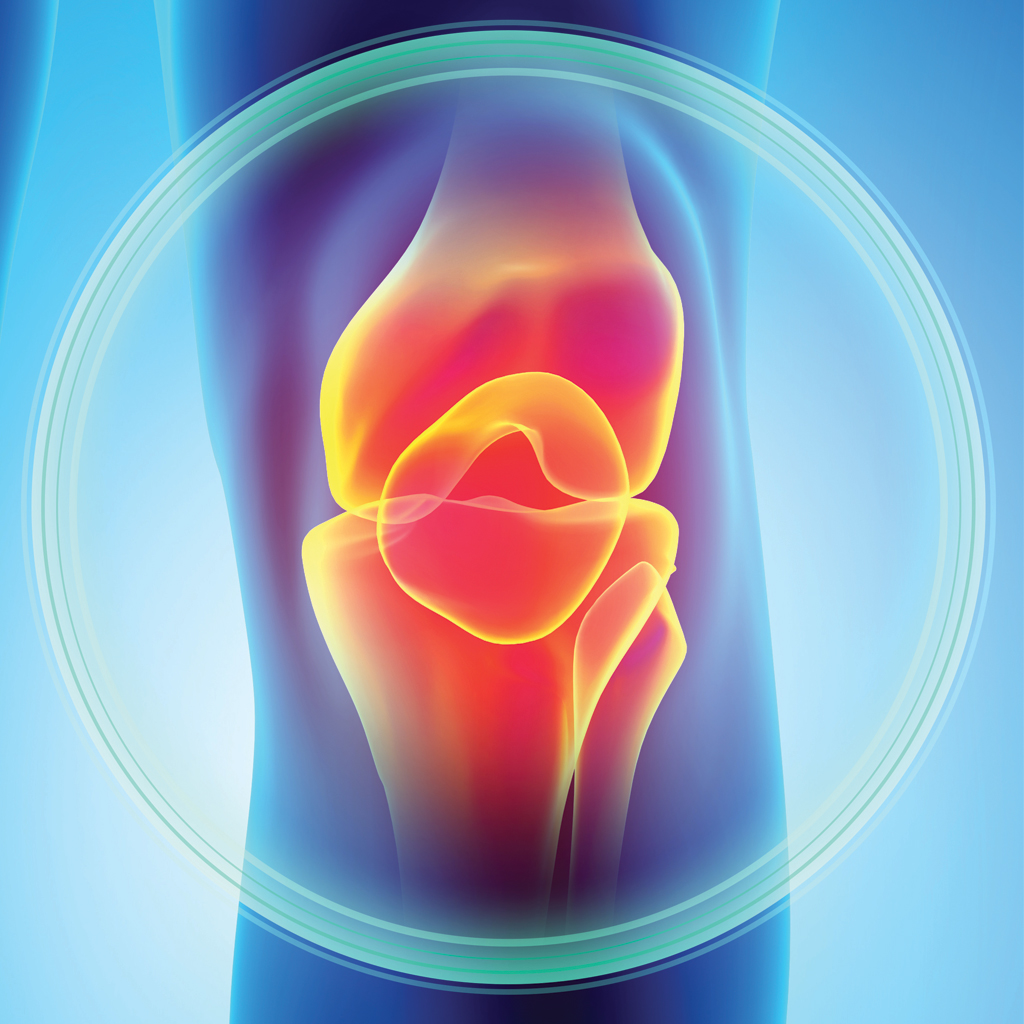
The knee is the largest joint in the body.   It is classified as a hinge joint and connects the upper and lower leg bones (femur and tibia).  Articular cartilage covers the ends of these bones and the underside of the kneecap (patella).  The lateral and medial menisci are cushions of cartilage between the bones.  Ligaments and quadriceps give the knee stability and strength.

History/Physical Exam/Diagnostic Tests

Because the knee is vulnerable to soft-tissue and other injury, orthopedic surgeons see a large number of knee problems.  Before treatment, the surgeon must have an accurate diagnosis based on a history, a physical examination, X-rays, and lab tests, if deemed appropriate.  With arthroscopy, the doctor can now look directly into the knee to confirm the diagnosis and, in many cases, surgically correct the problem at the same time.

You will most likely be asked whether pain came on gradually or from a sudden injury.  Your physician will manually examine your knee, look for tenderness and swelling, a decreased range of motion and instability.

X-Rays

Routine X-rays are commonly used in diagnosing conditions of the bones, while special stress X-rays may be necessary to determine joint stability.  Soft tissues cannot be seen, but abnormal bone anatomy and arthritic conditions can often be identified.

Magnetic Resonance Imaging (MRI)

Magnetic Resonance Imaging is a modern technology that can provide information about the soft tissues of the knee, e.g. cartilage and ligaments that ordinary X-rays cannot provide.  However, MRI's are not always 100% accurate.

What is an Arthroscopy?

Arthroscopy is a surgical procedure that allows a physician to treat a damaged or problem knee without making a large incision on the outer skin, which protects the knee joint.

Fiber optic technology has led to the creation of the arthroscope, an instrument that allows our team to look directly into the knee and diagnose most problems.  The arthroscopic shaft contains coated glass fibers and a series of magnifying lenses that beam an intense, cool light to relay a magnified image to the viewer.  Looking through the eyepiece or at a television monitor, the surgeon has a clear view and access to most areas of the joint.

Until the advent of the arthroscope, an orthopedic surgeon was unable to directly identify many knee problems.  In order to diagnose and treat a problem knee, the surgeon resorted to conventional open surgery, requiring large incisions, a hospital stay, and often a prolonged recovery.   Arthroscopy allows for a direct and thorough examination of the knee.  The arthroscope is inserted through tiny incisions called portals.  Once the arthroscope is in place, several different instruments may be introduced to treat the affected joint.   Forceps, probes, shaving motors, and surgical lasers are some of the most common instruments used in conjunction with the arthroscope.  Most problems can be diagnosed accurately and, in many cases, surgically treated at the same time.  The whole procedure can usually be performed on an outpatient basis.

Alternatives

Alternatives to arthroscopy are anti-inflammatory pills, injections, observation, physical therapy, tolerating the problem, total joint replacement, osteotomies, etc.  Alternatives will vary based on age and symptoms.


Common Knee Problems Found at Arthroscopy

Meniscus Injuries (Cartilage)

Recovery after a meniscus injury depends on how much of your meniscus and other tissue in your knee are damaged.  With a mild injury, your recovery may take only 1-2 weeks, or less.  With a severe injury, your recovery may take up to 1 month or longer.

Arthroscopic Findings

Your meniscus can tear in a variety of ways.   With a mild injury, our team may find a small tear along the edge of the meniscus that can simply be trimmed smooth.  With a severe injury, the tear is larger often involving most of the meniscus.  With more meniscus damage, you may experience more swelling, discomfort, and a longer recovery.

Meniscus Surgery

If you have a mild injury, our team removes the torn flap of meniscus and trims your meniscus back to healthy tissue, leaving a balanced, stable rim.  For a more severe injury, he may need to remove more meniscus, but will leave as much healthy meniscus as possible.  After arthroscopy, surface cartilage takes over to absorb shock for the removed meniscus.  In some cases, a torn meniscus can be saved by suturing.

It is important to know that if your meniscus is repaired, an open incision might be used and you will have a prolonged recovery period with up to six weeks on crutches and up to six months of restricted activities.   This procedure can still fail, and require further surgery.

Wear and Tear Problems

Recovery from a wear and tear problem depends on how much surface cartilage damage you have and the extent of surgery you need.   With a mild problem, your recovery may take one to two weeks.  With a severe problem your recovery may take as long as two months, or MAY NOT BE HELPED WITH ARTHROSCOPIC SURGERY ALONE.  As you get older, the likelihood of relief with arthroscopy goes down, and should be approached with lower expectations and caution, after other more conservative treatment fails.

Arthroscopic Findings

With mild wear and tear we may find worn or cracked surface cartilage.  With severe wear and tear the surface cartilage may be completely worn through to expose the bones of your knees.  Loose bodies of cartilage, bone spurs (excess bone growth), and meniscus damage are also common.  (In these severe cases, the arthroscope cannot be expected to relieve symptoms, and further surgery at a later date may be required)  The arthroscopic examination, however, helps in the planning and timing of future surgery.

Surface Cartilage Surgery

For a mild wear and tear problem our team may shave and smooth the rough cartilage.  For a more severe wear and tear problem with areas of exposed bone, the surgeon uses a special burr to abrade the underlying bone to stimulate new cartilage growth.   He may also remove any loose bodies and bone spurs, and trim any damaged meniscus.  You may have a biopsy for cartilage growth to be performed in a lab.

Patella (kneecap) Problem 
(see also Patellar Problems)

Recovery from a patella problem depends on how much patella and surface cartilage damage you have.  With a mild problem, your recover may take only 1-2 weeks.  With a severe problem, your recovery may take up to one or two months, or may not be helped with arthroscopic surgery, and may require further surgery.

Arthroscopic Findings

You may have rough surface cartilage under your kneecap, with pain and tenderness (called chondromalacia).  Another possibility is that your surgeon may find a misalignment problem, i.e. your patella is not centered correctly in the groove in your thighbone.  With misalignment, you may also have chondromalacia, exposed bone surfaces, and loose bodies of cartilage.

Patella Surgery

For chondromalacia, our team can smooth the shaggy surface cartilage under your kneecap.  If you also have a misalignment problem, your surgeon can release the bands of dense connective tissue that pull your patella "off center" in a procedure called a lateral release.  We may also smooth any rough surface cartilage and worn bone surfaces.


Recovery for All Arthroscopic Surgeries

How quickly and fully you recover after arthroscopy is, to a large degree, up to you.  Even if you have only a few tiny incisions, your knee needs special care at home.  Elevation and ice can help to control swelling or discomfort, and circulation exercises help prevent post-operative complications.  These simple precautions can help keep you comfortable, as well as allow you to start your home recovery exercises as soon as possible.

Elevation reduces swelling, which in turn relieves pain and speeds your healing.  Elevation also prevents pooling of blood in your leg.  To elevate your knee correctly, be sure to keep your knee and ankle above your heart.  The best position is lying down, with pillows lengthwise under your entire leg.  Elevate your knee whenever you are not on your feet for the first days after arthroscopy.  Ice is a natural anesthetic that helps relieve pain.  Ice also controls swelling by slowing the circulation in your knee.  To ice your knee, fill a small plastic garbage bag with ice (crushed is best).  Wrap the ice bag with a small towel to protect your skin.  Completely cover your knee, leaving the ice on for 30 to 60 minutes, several times a day, for the first two or three days after arthroscopy.  Avoid hot tubs, Jacuzzi's, or heating pads unless otherwise advised to.

Pain medication allows you to rest comfortably and start your recovery exercises with a minimum of discomfort.  It is a good idea to take your pain medication at night, even if you are not in severe pain, to assure a good night's sleep.  Pain often signals over activity, so you might try rest and elevation to help relieve discomfort.  Avoid alcohol if you are taking pain medication.

Circulation exercises help prevent post-operative complications such as blood clotting in your leg.  Point and flex your foot, and wiggle your toes, every few minutes you are awake for a week or two after arthroscopy.  Your dressing keeps your knee clean and helps prevent infection.   There will be a bandage over your stitches and a tensor bandage over that.   The actual dressing should remain on your knee until you see our team.  The knee wrap MUST be taken off at night and then put back on again in the morning.

Showers are fine, after FOUR days.   Cover your leg with a plastic garbage bag tied above your dressing.  Wait to take your first shower when you can stand comfortably for 10-15 minutes.

Return to work only after our team feels it is safe.  It could be a few days or a few weeks, depending on how quickly you heal and how much demand your job puts on your knee.  In general, you can count on returning to work sooner after arthroscopy than after open knee surgery.  Obviously, an office worker at a desk job could go back sooner than a manual laborer.

Home Recovery Exercises

Rebuilding the muscles that support your knee - quadriceps, hamstrings, and calf muscles - is one of the best ways to help your knee recover fully.  The sooner you start these exercises the better.  Your goal is to avoid both over-use of these muscles (this causes inflammation, pain, and swelling) and under-use (this causes stiffness and atrophy).  You will get the most benefit from these exercises if you do them with slow, steady movements, and on both legs to maintain your muscle balance.

For Strength

Quadriceps sets help rebuild your front thigh muscles, which give your knee its greatest ability.  "Quad sets" can be done anywhere, anytime, lying down, or sitting.  Simply tighten your quadriceps, pressing your knee toward the floor or bed.  Hold for 5-10 seconds and then relax.   It may help to rest your hand on your kneecap and feel it move upward slightly as you tighten your muscles.

Straight leg raises are another exercise that help rebuild all of the muscles that support your knee.  Lie on your back and do a "quad set."  Lift your leg 8-12 inches, hold 4-6 seconds, then slowly lower and repeat.  When tolerated, add weights or ask a friend to hold your leg down to provide resistance.

Walking also helps you regain range of motion in your ankle, knee, and hip.  Even if you are on crutches and not yet bearing full weight on your leg, you can start walking to improve circulation, and speed the healing process in your leg.  Try to keep your ankle, knee, and hip bending as normally as possible.  Gradually put more weight on your leg, and walk a little farther, as tolerated.

Physical Therapy

After arthroscopy, your physician may prescribe therapy for a complete knee rehabilitation program to help you regain your full knee potential.  Usually, however, most people do not need formal physiotherapy.  A member of your recover support team, your physical therapist is a specialist in helping you regain strength and range of motion in your knee.  Your physical therapist can design an individualized program for you based on your knee injury and your recovery goals, and can help answer your questions about a safe return to your normal activities.  Your program may include knee exercises, special equipment, and other forms of treatment.

Aerobic Exercise

Even before your knee is fully recovered, you can return to a modified exercise program.  The safest way to start getting back in shape is with non-weight bearing exercise, such as riding an exercise cycle or swimming.   These are excellent forms of aerobic exercise, since they provide steady, continuous conditioning for your heart and lungs.  Be sure to check with our team before returning to jogging or your other favorite fitness activities.

Your Recovery Support Team

Your surgeon, the nursing staff, and if prescribed, your physiotherapist, can coach you toward a safe, speedy recovery after arthroscopy.  Like an athlete in training, YOU are ultimately in charge of your progress and success.  Members of your support team can explain why you need to elevate, ice, and exercise your knee.  It is up to you to follow their advice, so you can get back on your feet and safely return to the sports and other activities you enjoy.

Helpful Hints

  • Removal of a small fragment of meniscus does not significantly increase the risk of osteoarthritis later.

  • Leaving an unstable fragment of meniscus in a knee, producing pain and swelling with activity, significantly increases the risk of osteoarthritis.

  • Removal of the unstable torn fragment of the meniscus in the bowlegged individual is only part of the solution.  Either a correction of the deformity (osteotomy) or total knee replacement may be necessary in the future when the patient is older.

  • Removal of a fragment of torn meniscus in the osteoarthritic knee will have a guarded prognosis due to the underlying osteoarthritis.

IMPORTANT!
Make sure you understand all of the information contained on this page prior to surgery, particularly the risks, possible complications, and alternatives to the surgery.   Discuss these with your physician BEFORE the surgery.

POST-OPERATIVELY:
IF YOU NOTICE INCREASED SWELLING, REDNESS, FEVER, INCREASED PAIN, SHORTNESS OF BREATH, OR SWELLING OF THE CALF, GO TO THE EMERGENCY DEPARTMENT IMMEDIATELY.


Back To Top Menu


CARTILAGE TRANSPLANT


Defect in Articular CartilageEveryone has heard of a torn cartilage and they tend to think of that and they tend to think of that as the much more common problem where the shock absorber type of cartilage is damaged in the knee. This confuses people because they don't understand the difference between that type of cartilage and articular cartilage.

An anatomy lesson is required. Articular cartilage is the "smooth Teflon lining" of the knee joint that coats all the gliding surfaces and makes the knee joint slippery and smooth. This articular cartilage has a coefficient of friction that is better than any man-made product. This remarkable structure is extremely smooth and slippery. In its best state it functions very efficiently for the mechanics of the knee joint. Unfortunately it can be damaged and when this smooth articular cartilage is damaged it is usually a much bigger problem than when the U-shaped shock absorber type of cartilage is torn (see diagram).

History

Up until recent years the treatment of articular cartilage defects has been remarkably poor. The most that could be done was to shave it down with mechanical instruments in an attempt to smooth it but we could do very little to replace the defect in the smooth surface.

Occasionally the whole, or damaged area, would be drilled with a wire to try and promote bleeding which we hoped would form a fibrous clot that would smooth over to scar tissue which would be better than having a defect in the cartilage. This is a very poor healing technique but it is better than nothing. The concept is that you would violate so that you would pierce the bone plate just underneath the cartilage and allow cell migration by bleeding into the area. In its more modern form this is referred to as "microfracture" technique. Improvement in daily activities can be expected in about 2/3 of patients when performed at its best.

Abrasion chondoplasty is an easy to understand technique. A high-speed burr is used on the roughened area particularly if hardened bone is formed. Once again this high-speed burr is hoped to help promote the formation of scar tissues but cannot be expected to form normal articular cartilage.

Autologous Chondrocyte Implantation

Originally developed in Sweden, this is an advanced technique where the goal of the surgery is to actually transplant cells into the area which can be expected to form normal hyaline cartilage. Hyaline cartilage is the specific type of cartilage that is usually present in normal articular cartilage. With this technique a biopsy is taken during the first arthroscopic surgery which is simply a small piece of cartilage removed from a non-critical area of the knee joint. This piece is sent to a laboratory where the tissue is cultured to produce many more chondrocytes (cartilage cells) until there is enough to transplant back into the knee joint.

The patient is then taken back into surgery where a bigger operation is performed through an open incision. A piece of tissue from one of the bones of the leg is used to cover the defect in the joint surface and then the liquid form of the cartilage which has been grown in the lab is placed by syringe underneath this "patch". The patch is then sealed over completely. And the patient remains non-weightbearing for an extended period of time until knee is safe to weight bear on and the cartilage transplant has taken.

This technique is usually reserved for lesions that are at least 2 square centimeters is size and in patients who are usually less than 50-55 years old. It is not a good operation for lesions on the patella (kneecap) but it is good for lesions of the femoral chondro (see diagram). Any ligament instability of the knees has to be corrected first and any mal-alignment deformities such as genovarigm (bow-legged) must also be corrected first.

This operation is contraindicated in diseases such as rheumatoid arthritis and severe osteoarthritis. If the patient is markedly obese or has other medical contraindications then he or she is not a good candidate. With this operation, reports have shown up to 85% improvement at 12 months. Interestingly with time they can get even better results because the patients tend to improve as time goes on. It should be understood that it's the patient's own cartilage cells that are transplanted back into the knee joint, they are simply grown and cultured in the laboratory to multiply.

Osteochrondro Autograft Transplantation

This procedure is also known as an Oates Procedure. It is also been called mosaicplasty. This procedure is usually used on smaller lesions between 1-2 square centimeters Again the goal is to achieve normal articular hyaline cartilage with this operation.

With this particular technique special instruments are used to harvest an area of hyaline cartilage from a non-critical area of the knee. This cartilage is immediately transplanted into the area of the damaged cartilage without any intervening growth period in a laboratory. This means that the size of the transplant is limited by the amount of cartilage that you are able to remove from the non-critical area of the knee. This is why we can't do it for lesions much more than 2 square centimeters in size.

The advantage is that it is all done in one operation and can usually be done arthroscopically. The grafts are harvested by hollow tubes that are used to drill over the area that we use as a donor site. And then again, the damaged area is drilled out and the tube of bone and cartilage is transplanted into the damaged area (see picture). This operation has the advantage of a much shorter recovery period and it removes the necessity for two operations.

Postoperative Course

Depending on the type of surgery the post-op course is quite different. With the micro-fracture technique, the patient may be required to be non-weight bearing for a relatively brief period of time but recovers relatively quickly.

With the Oates type of procedure where the cartilage is transplanted all in one setting, the patient again is going to be non weight bearing for a period of about 6 weeks but afterwards recovers quick quickly.

Unfortunately, the recovery period for the autologous chondrocyte implantation technique where the cartilage is grown in a lab is much longer but we must remember that it is used in much more difficult situations and bigger lesions. It also has to be done through a relatively large open incision when compared to the other two operations.

Summary

Articular damage to the surface of the knee joint is one of the most difficult problems to treat in the knee. Up until very recently there was little that could be done. But now there are some options available to patients. These have to be understood and the limitations of these operations as well as the risks have to be understood. While certainly not guaranteed, they do offer patients at least a chance at getting more normal knee joint and participating in the activities and work that they want to.

If you have any questions about any of these techniques please do not hesitate to speak with one of our orthopedic surgeons.

One of the most famous orthopedic surgeons in the world is Dr Henry Mankin. He has done a great deal of research into cartilage and has a famous quote in regards to its problems. He has said:

"… it should be clear that cartilage does not yield its secrets easily and that inducing it to heal is not simple. The tissue is difficult to work with, injuries to joints are a risk – whether traumatic or degenerative – are unforgiving, and the progression to osteoarthritis is sometimes so slow that we delude ourselves into thinking that we are doing better than we are. It is important, however, to keep trying."


Back To Top Menu

OSTEOCHONDRITIS DISSECANS (OCD)


Many activities place repetitive stress on the legs, more specifically the knees. Knees are extremely vulnerable to overuse injuries as well as acute injuries from stresses brought against them. When a young patient presents with generalized or anterior knee pain, and there aren't any definitive abnormalities after examination, OCD should be considered.

Definition

Osteochondritis Dissecans (OCD) is a condition in which a section of articular cartilage and its underlying bone slowly separates from the surrounding bone. This condition is painful and can do significant damage to the undersurface of the knee. The pain intensifies when the bone separates because at this time you have bone floating around the knee, and in and out of the joint space.

Causes/Symptoms

The usual suspects of OCD are adolescents to young adults, and men are more likely then women to have OCD. The affected site is usually the medial femoral condyle. About half of the time patients present with some sort of trauma in the recent history. Patients may present with swelling , locking, or pain to additional sites. There's usually limitation with movements and flexibility, also nearly always there is some quadriceps atrophy.

A good test to reveal OCD is Wilson's Test, where the knee is flexed to 90 degrees and the tibia is rotated internally, and then the knee is extended. Pain can usually be seen at about 70 degrees of flexion around the medial femoral condyle. Sometimes patients have deformities of the knee, such as genu valgum (knock-knees), or genu varum (bow-leg).

Additional Studies

If a patient's findings include the following: joint swelling, diminished thigh girth, or a positive Wilson's Test, then additional study is indicated. Usually radiographic study is the next in line to try and solve the problem. The specific x-ray that usually can locate signs of OCD are the Tunnel View x- rays because they best show the intercondylar notch, which is the region of most OCD lesions. Other tests that can be helpful are MRI'S, Arthroscopy's, and Arthrography's.

Treatment

If the problem is recognized and diagnosed early then immobilization by cast or soft knee immobilizer may be the prescribed treatment, along with 4 to 6 weeks of rest including little or no weight bearing. The leg can be casted in a way which protects tibiofemoral contact for protection. Once x-rays show good position and healing, the doctor will allow more activity to proceed. The younger the patient and the shorter the duration of symptoms the more satisfactory the healing will be. In the older patient, or the more chronic the lesion, surgery is often the treatment of choice. If there's a loose bone in the knee surgery is a definite to get it out of the knee. For the lesion which is still attached there are a few alternatives available, such as curettage and drilling, simple drilling, and pinning in place what's left. Sometimes the surgery can be done arthroscopically, but regardless of the surgical method, cast immobilization for up to 8 weeks will be necessary. If pins are used during the operation, then a second operation will be later performed to remove the pins.

Prognosis

Older people tend to have lots more trouble than young folks with this condition, but if the lesion is treated early enough then people do very well. The problem with older folks is that they sometimes already have degenerative joint changes before surgery. With younger skeletally mature people the outcome is often a lot better. The overall prognosis is generally good to excellent, depending on the size of the lesion and early detection.


Back To Top Menu

PATELLOFEMORAL SYNDROME


What is it?

Knee pain is one of the most common symptoms experienced by sports participants.  Studies have shown that patellofemoral pain syndrome comprises up to 50% of overuse injuries.  This syndrome is caused by irritation of the undersurface of the patella (kneecap) which, in its normal state, is smooth.  The irritation can lead to a roughening of the patella undersurface, a condition called chondromalacia.

The patella is a moving part, gliding up and down in a groove in the femur (thigh bone).  The pain is caused by pressure between the patella and the groove in the femur.  As you bend your knee, you gradually increase the pressure and stress between the patella and the femur.  The irritation and roughening of the patella causes an inflammation which causes the pain.   Patellofemoral pain syndrome and chondromalacia are not arthritis.  Children and adolescents almost always grow out of this problem.

Predisposing Factors

  • When the patella is not symmetrical in the femoral groove, there is an imbalance resulting in wear and tear.  An unsymmetrical kneecap is called "jockey cap" patella.  This condition can be identified on x-rays.

  • Overuse (especially downhill running)

  • Wide hips

  • Knock knees

  • Increased Q-Angle:  Constructed by drawing a line from the anterior iliac spine (a part of the pelvis) to the center of the patella, then to the center of the tibial tubercle (leg bone).  Greater than 21 degrees in females and 18 degrees in males is abnormal.

  • Tibial torsion (rotation of lower leg)

  • Flat (pronated) feet

  • Weak inner thigh muscles

  • Previous injury to the knee

Treatment

This is based on two principles: reducing the inflammation and improving the dynamics of the patella/femoral relationship.

Rest

When the knee is painful and swollen, you must rest it.  Let pain be your guide.  You are aggravating the condition if you continue activities while experiencing pain.  Mild discomfort or ache is not a problem but definite pain is cause for concern.

Ice

Apply an ice pack (frozen peas) to your knee for 15 minutes 2-3 times daily and after any sporting activities.  This reduces inflammation and pain.

Medication

Your doctor may rarely prescribe anti-inflammatory pills to reduce the inflammation.  This can be very important.

Physiotherapy

Various techniques can be used to reduce the inflammation.  Exercises can be used to stretch and strengthen the thigh muscles.   These muscles control the patella in the groove.  When thigh muscles are strong, the patella will move through the groove with less pressure.

Surgery

In some cases surgery may be indicated.   This is in the form of an arthroscopic examination (a look with a fiber optic light).  In some cases repositioning the patella is required.

Adjustments

The structure of your foot may also alter the patella/femoral relationship.  Some physicians may prescribe specific shoes or occasionally orthotics (shoe inserts) to help your problem.  New materials (Sorbothan, Spenco) have been designed to fit into your shoe to help absorb the impact as your foot hits the ground. 

Sports

There is very little pressure between the patella and the femur when the leg is straight or only slightly bent.  The best activities are ones that limit the knee to a range between 135 degrees (1/4 squat) and 180 degrees (straight).

Good Sports

These sports will be easiest on the knee:

  • Swimming (flutter kick, knees straight)

  • Slow jogging, walking

  • Skating

  • Cross-country skiing

Questionable Sports

These sports can be performed by some, but could cause problems to others:

  • Cycling (seat high and avoid hills)

  • Soccer

  • Baseball

  • Hockey

  • Skiing (downhill)

  • Tennis

Bad Sports

These sports are hard on the knees as they include deep knee bends.  These sports are most likely to aggravate your condition:

  • Volleyball

  • Basketball

  • Running (sprints, downhill)

  • Football

  • Racquetball

  • Squash

Use your judgment.  When your knees hurt, avoid all but the good sports.  Total rest may be required.  When your knees get better after treatment, you should be able to enjoy all sports.

Exercise

Exercising will build up the muscles that control your kneecap.  Do them daily, as they can definitely help improve your condition.

Stretches

Always stretch slowly without bouncing until you feel your muscles stretch.  You should not feel pain.

Single-Quadricep Stretch (A)
Standing with your back straight pull your foot back until you feel your thigh muscle stretch.  Push down and back with your knee.  Hold 15 seconds and relax.   Repeat 3 times.  If this stretch causes pain, stop.

Hamstring Stretch (B)
Sit on the floor with injured leg straight, knee locked, and your other leg bent in.   With your back straight, bend from the hips and reach down over your leg until you feel the muscles stretch.  Hold 10 seconds and relax.  Repeat 3 times.

Strengthening Exercises

It is important to stay away from exercises that can aggravate your condition.  Here are two that do not involve bending the knee.

Static Quads
Sit on the floor with pillows under your knee.  Push your thigh into the floor, raise your heel, and bend your foot back towards you and hold 5 seconds.  Change legs or do both at the same time.  Repeat 15 times.

"T" Exercises (D)
Sit on the floor with a weight on your leg (2-5 lb kit or handbag).  Lock your knee and raise your leg.  Draw a "T" with your foot.  Repeat with your other leg.  Do 3 sets of 10.  Increase weight weekly as your strength improves.


Back To Top Menu

TOTAL KNEE REPLACEMENT


Replacing Your Problem Knee

A painful, stiff knee can keep you from doing the simple things in life, even walking without pain.  Your physician may be able to replace your problem knee thanks to improved surgical techniques and materials.  After a total knee replacement, you will have some restrictions when using your new knee, but you can look forward to returning to many activities of daily living.

History

Chronic knee pain is commonly caused by arthritis.  There are three common forms of arthritis: osteoarthritis, rheumatoid arthritis, and traumatic arthritis.

Osteoarthritis usually occurs in patients over 50 years old, and very often they will have a family history of arthritis.  The cartilage in the knee that acts as a cushion for the bones thins out and wears away.  This, in turn, allows for the bones to rub together causing pain and stiffness.

Rheumatoid arthritis is a disease which there is thickening and inflammation of the synovial membrane.  Over time this chronic infammation can cause cartilage damage, leading to pain and stiffness.

Traumatic arthritis can follow a serious knee injury.  Fracture or ligamentous injuries may damage the articular cartilage over time, causing knee pain.

As your knee pain and stiffness increases, simply walking or climbing stairs can hurt.  Conservative treatment is always attempted first.  Antiinflammatories, physiotherapy, activity modification, ambulatory assistive devices, braces, corticosteroid injections, and viscosupplementation are common conservative treatment options attempted before total knee replacement is considered

Knee Anatomy/Knee Prosthesis

You can only walk without pain, when the bones in your knee joint are smooth and cushioned by healthy cartilage.  You also need strong muscles and ligaments for stability, because your knee is more than a simple hinge joint.  Each time you bend your leg to walk or climb stairs, the bones rotate, roll, and glide on each other.

Like a normal knee, your prosthesis has smooth weight-bearing surfaces.  The femoral component covers your thigh bone, the tibial component covers the top of your shin bone, and the patellar component covers the underside of your kneecap.  Your physician  will choose the best prosthesis design, either cement or cementless, for your knee.

Your Orthopedic Evaluation

Your orthopedic evaluation helps your physician to determine if you are a candidate for a total knee replacement, and if you are, to choose the best prosthesis for your particular knee problem.

Your medical history includes questions about knee pain, medication you may be taking, prior injury, infections, bleeding disorders, and other bone or joint problems you may have.

Your physical exam includes assessing your range of motion (stiffness or instability), any deformity in your legs (bowlegged or knock-kneed), stability, and watching how you walk and sit.  X-rays will be taken to determine the extent of damage and deformity in your knee.

Occasionally blood tests, an MRI, or bone scan may be performed to assess the condition of the bone and soft tissues around the knee.

Deciding on Surgery

After your evaluation, our team will discuss whether total knee replacement is the best treatment for you at this time.  Your clinician may recommend some or all of the conservative treatment options mentioned above, or maybe even a different surgical procedure, such as a tibial osteotomy or an arthroscopy.

Understanding the risks and complications is part of your decision.  Your physician will talk with you about infection, blood clots, stroke, heart attack, anesthetic problems, pneumonia, stiffness, pain, prosthesis loosening, blood vessel or nerve loss, or other post-operative risks before you decide on total knee surgery.  (Make sure you understand these risks)

Prior To Surgery

You will be asked to AVOID ASPIRIN, BLOOD THINNERS, or ANTI-INFLAMMATORY MEDICATION FOR TWO (2) WEEKS PRIOR TO SURGERY TO MINIMIZE BLEEDING.  You will also be asked to STOP SMOKING to decrease the chance of post-operative lung complications.

Continue leading a normal, healthy lifestyle, and be sure to let the doctor know about any infection or leg sores.  You should call his office if any medical problems arise that may require rescheduling of your surgery.   Be particularly aware of any urinary problems such as burning, difficulty voiding, frequent urination, or symptoms of infection and report these immediately before your surgery.

It is VERY IMPORTANT to report any infection in your body before and after surgery.  Any skin lesions in the area of your knee may cause a delay in surgery.

The morning of surgery, you will have an IV (intravenous) line started for medications before you are given general anesthesia.   You and your family can expect your surgery to take from two to three hours, depending on how much knee damage you have and whether you need all three of your knee bones resurfaced.

The Hospital Recovery Period

After surgery, you may wake up feeling a bit groggy.  Specially trained nurses will be with you to keep you comfortable and provide pain medications.  Your nurses also coach you with coughing and deep breathing exercises to help clear your lungs and prevent post-operative complications.   You will have a large dressing on your knee with a drain for normal post-operative bleeding.  Once you are awake and alert, you will be transferred to your hospital room.

Once you are back in your room, the goal for the rest of your hospital stay is to begin walking again before you go home.  You will be started on a physical therapy program to exercise you knee muscles and regain strength and range of motion in your new knee.  These exercises will also improve circulation to your leg, improving the healing time.

Physical Therapy

Physical therapy, a vital part of the recovery, helps you regain your full knee potential.  Gentle knee exercises strengthen the muscles around your new knee and help restore its range of motion.   Your physical therapist will design a program especially for you and teach you how to do the exercises.  Your therapist also starts you walking, a few steps at a time, to promote healing.  Progressing from a walker, to crutches, and then a cane, helps you to regain confidence and your normal walking motion.  This is hard work, and you must show perseverance and determination in doing your exercises if you want to get the best results possible.

Going Home

Once you have recovered and can bend your knee enough to go home, your surgeon will discharge you.  Prior to your surgery you may organize a short stay (1-2 weeks) at a skilled nursing facility.  This will give you more time to work on physical therapy to increase strength and range of motion in your knee.  Your sutures and bandages are usually removed before you leave the hospital/skilled nursing facility, and you are given instructions for safe home recovery, which often includes follow-up physiotherapy.  Feel free to ask any questions you may have.

Your Home Recovery

At home, your new goal is to return safely and comfortably to your activities of daily living.  Your follow-up physiotherapy relieves any stiffness and awkwardness you may feel, and helps you regain independence as you learn to care for your new knee.  Most patients return to normal activities three to six weeks following surgery.  Night pain is common for several weeks after surgery.  Driving can begin when your knee bends sufficiently  to enter and sit comfortably in a car seat, and when your muscle control provides adequate reaction time from accelerator to brake, typically 4-6 weeks.

At any time during your recovery you notice fever, redness, increasing stiffness, calf pain, or shortness of breath, report to the emergency department IMMEDIATELY!

Follow-up Physical Therapy

Your physical therapist will instruct you to continue with the exercises you learned in the hospital, and may teach you others as well.   Strength exercises tone your thigh muscles, which have the greatest control over your new knee.  Range of motion exercises help you bend and straighten your knee more fully.

Caring for Your New Knee

Your knee prosthesis is the result of years of research.  Like any other device, your new knee's life span depends on how you care for it.  In your follow-up visits after surgery, your physician will follow your progress and answer any questions your may have about caring for your new knee.

Helpful Hints

  • Follow your physician's advice on using crutches or a cane to keep weight off your healing knee.

  • Keep in mind that your prosthesis is designed for activities of daily living, not sports.

  • Before dental work or surgery, let your doctor know you have a new knee; antibiotics may be needed to help prevent infection.

  • If your prosthesis wears out or loosens, it can be replaced with another.  Revision surgery is difficult, however, so preserve your new knee.

Enjoying Your New Knee

After a total knee replacement, you can look forward to less knee pain, stiffness, and deformity in your leg.  While your new knee is not a normal knee, you can expect to enjoy your activities of daily living with greater ease and comfort.  You can once again enjoy life more fully with a more independent, mobile lifestyle.

There are limitations, however, and you will not be able to do all of the activities you did when your knee was healthy and normal.  This is a major operation, and should only be done when all other treatment fails and you have significant and disabling pain that stops you from your activities of daily living.


BEFORE your surgery, make sure you understand all of this page, particularly the risks and complications, as well as possible alternative treatments.


Back To Top Menu